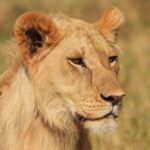
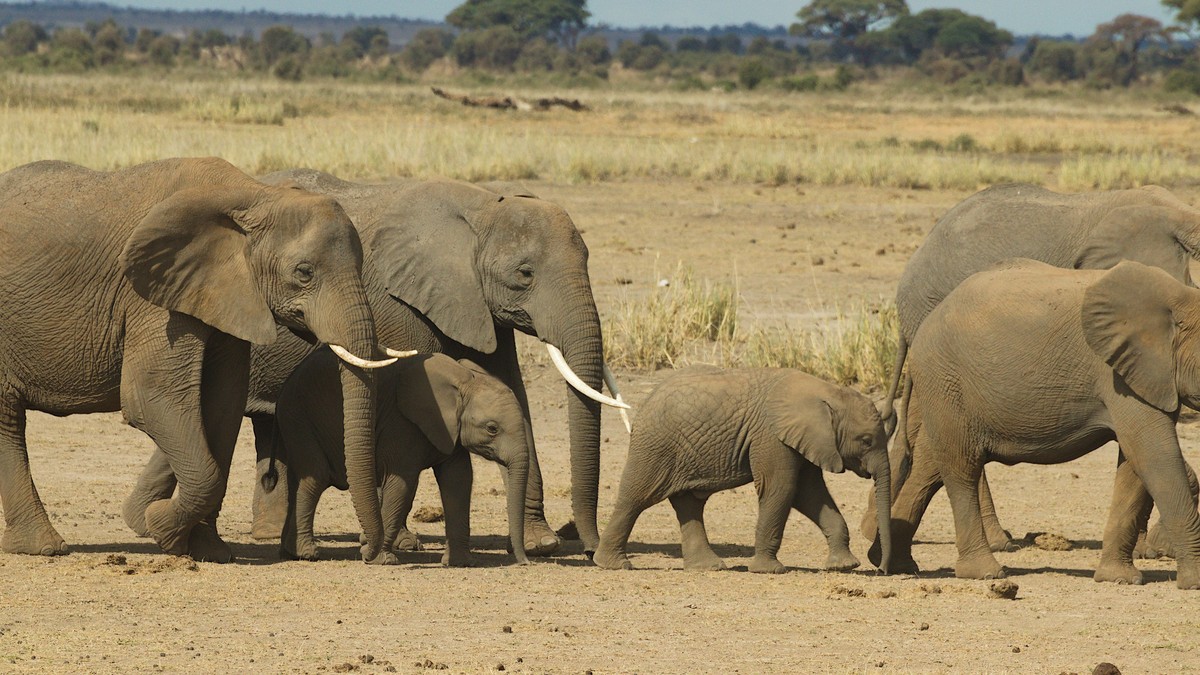
I have sat in a vehicle at 6:15am in Naboisho Conservancy, engine off, watching a female leopard walk the tree line with her cub trailing behind. No other vehicle in sight. That silence is the whole reason serious photographers choose the conservancies over the main Masai Mara reserve.
Finding the best conservancy cheetah leopard photography destination starts with knowing the rules that govern each place. If you are planning a trip built around cats, not just a general safari, the conservancy you pick decides how close you get, how many vehicles crowd your frame, and whether you can shoot at golden hour instead of fighting minibuses for a parking spot. Here is what I tell photographers who call Valley Safaris asking exactly that question.
Why Private Conservancies Are the Best Conservancy Cheetah Leopard Photography Choice
The Masai Mara National Reserve is glorious, but it has rules built for volume, not for photographers. Vehicle numbers at a single sighting are not capped in the main reserve the way they are in the conservancies, so a leopard sighting can pull in 15 or 20 vehicles within minutes. Off-road driving is banned outright inside the reserve.
The conservancies around the reserve, Naboisho, Mara North, and Olare Motorogi among them, work differently. Each is run by a trust that leases land from Maasai landowners and caps both bed numbers and vehicle density. Most limit sightings to five, sometimes four, vehicles at a time. Controlled off-roading is allowed in nearly all of them, guided by rangers who know where cats den. Several also permit night drives, something the reserve does not allow at all. If low light and after-dark behavior matter to your portfolio, that single rule changes everything, and it is worth reading up on conservancies that allow night game drives before you book.
Conservancy-by-Conservancy Breakdown
Naboisho Conservancy covers about 50,000 acres bordering the reserve’s northeast edge. It has one of the highest lion densities in Kenya and a strong, well-studied leopard population, partly because Naboisho limits camps to a strict bed count per acre. Cheetahs move through in good numbers too, especially across the open grass plains near Sisia.
Mara North Conservancy is bigger, roughly 74,000 acres, bordering the Mara River to the west. It has more topographic variety, with riverine forest that leopards favor and open plains where cheetah mothers teach cubs to hunt. Because it is larger, sightings can mean longer drives between camp and cat.
Olare Motorogi Conservancy is smaller and denser, about 35,000 acres formed from the merger of Olare Orok and Motorogi. Camp density is kept very low here, and vehicle caps are among the tightest in the ecosystem, often just three to a sighting. Cheetahs here are famously relaxed around vehicles, a legacy of decades of careful, low-impact tourism.
| Conservancy | Size (approx.) | Vehicle cap per sighting | Known for | Typical gate-to-camp drive |
|---|---|---|---|---|
| Naboisho | 50,000 acres | 5 vehicles | Leopards, lion prides | 20 to 40 minutes |
| Mara North | 74,000 acres | 5 vehicles | Cheetah mothers, river leopards | 30 to 60 minutes |
| Olare Motorogi | 35,000 acres | 3 to 5 vehicles | Relaxed cheetahs, tight sightings | 15 to 30 minutes |
Drive times are indicative ranges. They shift with rain, river crossings, and which camp within the conservancy you are staying at.
Best Time of Year and Time of Day
Cheetahs hunt in daylight, so mid-morning and late afternoon, roughly 7am to 9am and 4pm to 6:30pm, give you the best light and the most action. Leopards are more nocturnal, and dawn or dusk sightings near riverine thickets are your best odds, with night drives (where allowed) adding a real edge for photographers chasing genuine after-dark behavior.
Season matters too. The dry months from late June through October bring shorter grass, which helps you actually see cats rather than just tails in the thicket. This overlaps with the wildebeest migration, so the plains fill with prey and predators follow. January through March, the short dry season, is quieter on tourist numbers and still gives good light, with new cheetah litters often spotted in Naboisho and Mara North during these months. April and May bring the long rains, with lush cover that makes cats harder to find but light softer and greener.
Conservancy Fees and Camp Pricing
Conservancy fees are charged per person per night, separate from what you pay your camp for accommodation, meals, and game drives. As of 2026, expect these indicative ranges:
| Conservancy | Conservancy fee (per person/night, indicative) | Typical camp rate (per person/night, indicative) |
|---|---|---|
| Naboisho | USD 90 to 110 | USD 450 to 900 |
| Mara North | USD 80 to 100 | USD 400 to 850 |
| Olare Motorogi | USD 100 to 130 | USD 550 to 1,100 |
These are indicative bands, not fixed prices, since camps adjust rates seasonally and conservancy trusts revise fees most years. Ask Valley Safaris for the current figures when you book, since they change more often than most guides admit.
Best Camps for Photographers in Each Conservancy
In Naboisho, Kicheche Valley Camp and Mara Naboisho Camp both keep vehicle numbers low and staff photography-savvy guides who understand beanbags and low-angle positioning. In Mara North, Kicheche Mara Camp and Elephant Pepper Camp sit close to the river forest where leopards den, cutting your morning drive time. In Olare Motorogi, Mahali Mzuri and Porini Lion Camp both run dedicated photographic vehicles on request, with beanbag rests and space for a second row of lenses.
Ask specifically for a vehicle with a pop-up roof and unobstructed 180-degree visibility, not a shared shuttle-style bus. It is the single upgrade that improves your keeper rate the most.
Vehicle and Off-Road Etiquette by Conservancy
All three conservancies allow controlled off-roading for photography, but guides follow strict local rules. Naboisho enforces a hard five-vehicle limit and a 20-minute rotation at popular sightings so everyone gets a turn. Mara North uses radio coordination between camps to avoid pile-ups, since its larger size makes overcrowding less likely but still possible near the river crossings. Olare Motorogi is the strictest, often holding to three vehicles and requiring guides to switch off engines once in position.
Whichever conservancy you choose, good etiquette matters more than any rule book. If you want the fuller picture on distance limits, flash use, and drone restrictions, our piece on responsible big-cat photography ethics covers it in detail.
Cheetah Hotspots vs Leopard Hotspots
If cheetahs are your priority, aim for the open plains of Mara North and the Sisia plains inside Naboisho, both hunting grounds where cats have space to run down prey in full view. Leopards favor structure over openness. The riverine forest along the Mara River in Mara North and the rocky outcrops and sausage trees scattered through Naboisho and Olare Motorogi are where resident leopards den and drag kills.
Realistically, most week-long trips see both species if you split time across two conservancies rather than committing to one. A three-night stay in Naboisho followed by three nights in Olare Motorogi covers both terrain types without a long road transfer, since both border the reserve’s eastern edge.
The Valley Safaris Difference
Any operator can book you a camp. What we do differently is match the conservancy to your actual photography goals, not just availability. We know which camps run true photographic vehicles this season, which guides have logged the most leopard time, and which conservancy fee schedules just changed. We have sat in these vehicles ourselves.
We also think beyond the Mara. For photographers who return to Kenya more than once, we often suggest pairing a conservancy stay with a different landscape entirely, and why Laikipia suits repeat safari visitors explains why that region rewards a second or third trip so well.
Plan Your Cheetah and Leopard Photography Safari
If you are ready to build an itinerary around cats, light, and the right vehicle setup, we would love to help. Visit our Masai Mara photography safari page or reach out through our contact page and we will start mapping out conservancies, camps, and timing around what you actually want to photograph.